
One in Three teens has experienced abuse in a relationship, but sometimes it’s hard to recognize. 6 Take the quiz below to find out if your teen relationship is healthy!
Your Results…
If your results of the quiz raised any of the red flags shown below, you are involved in an abusive relationship. Please read the section Managing Relationship Stress below for help regarding what to do.
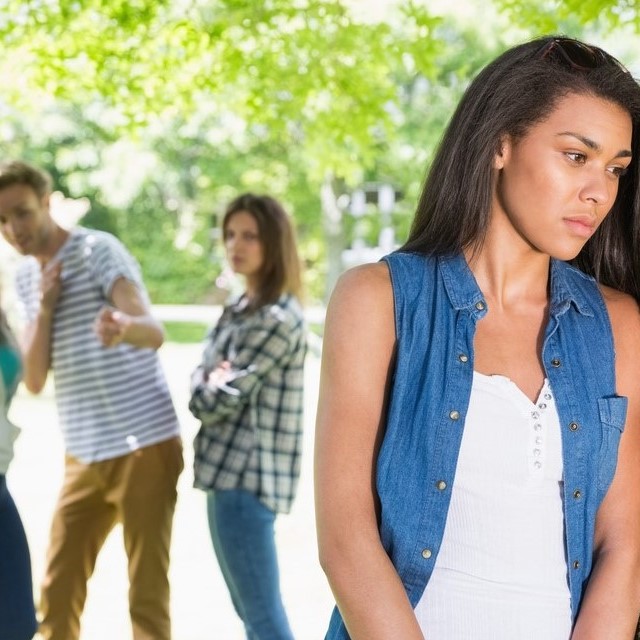
Peer Pressure
– They threaten to expose your weaknesses to others
– They tell lies about you, possibly to your peers
– They spread rumors about you
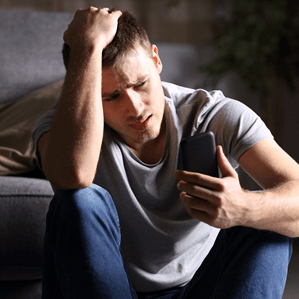
Anger/Emotional Abuse
– They put you down/insult you
– They make you feel bad about yourself
– They call you names
– They make you think you’re crazy
– They play mind games
– They humiliate you
– They make you feel guilty
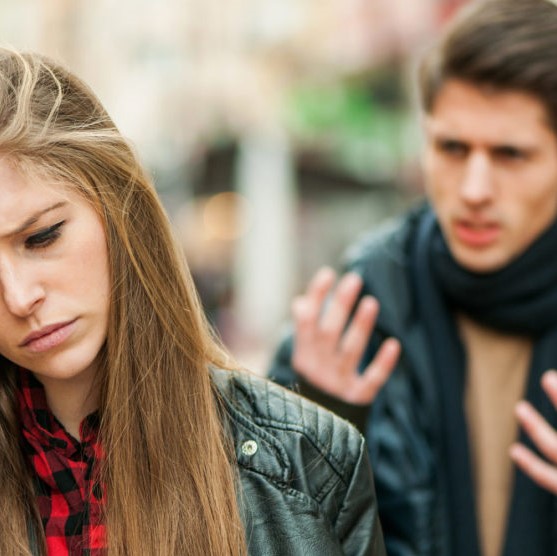
Use of Social Status
– They treat you like a servant
– They make all the decisions
– They define men and women’s roles

Intimidation
– They make you afraid by using looks, actions, gestures, or violence
– They destroy things/property
– They abuse pets
– They display weapons
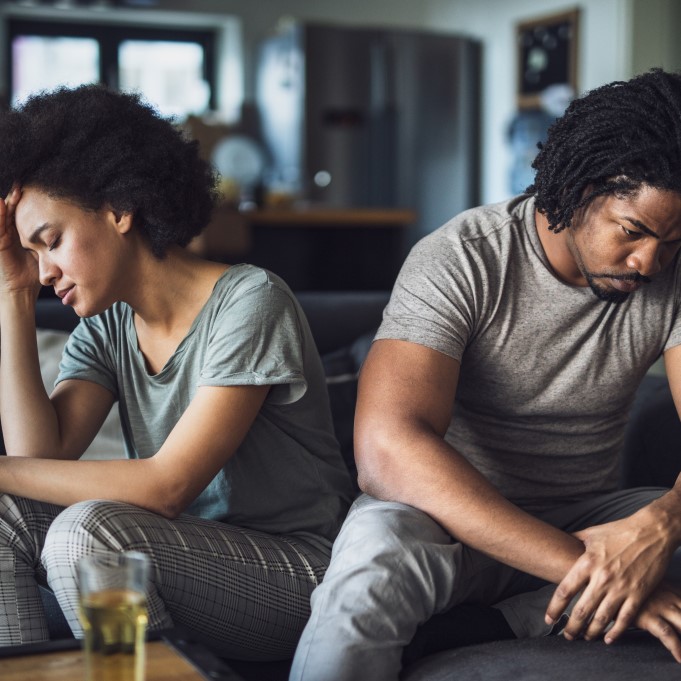
Minimize/Deny/Blame
– They make light of abuse and don’t take concerns seriously
– They say that the abuse never happened
– They shift responsibility for abusive behavior, saying you caused it
Threats
– They make and/or carry out threats to do something to hurt another
– They threaten to leave you
– They threaten to commit suicide
– They threaten to report you to authorities
– They make you drop charges made
– They make you do illegal things
Sexual Coercion
– They manipulate or make threats to get sex
– They get you drunk or drugged to get sex
Isolation/Exclusion
– They control what you do/read
– They control who you see and/or talk to
– They control where you go
– They limit your outside involvement
– They use jealousy to justify actions
Relationship Stress
Is someone you care about in an abusive relationship?

Managing a romantic relationship as a teen can be incredibly difficult, and often it can turn abusive. Teen relationship abuse is defined as any kind of physical, sexual, or emotional abuse of any teen by the person whom they have a romantic relationship with. This can be a major stressor on a person. 4
While the quiz above is helpful in determining if your own relationship is unhealthy, the list below will help family and friends recognize if someone you know may be in an abusive relationship. Adults or friends should take note of these signs and immediately offer or find help.
Does someone you know show any of these changes…
- shows a sudden drop in school performance or attendance.
- is no longer participating in activities that used to interest him or her such as after school activities or sports.
- is beginning to use drugs or alcohol, or increasing usage.
- has reduced interest in spending time with friends or family.
- is offering confusing or contradictory reasons for not engaging in activities he or she used to enjoy, or refusing to offer any reason.
- is making excuses for his or her significant other’s behavior.
- is seeming more stressed, tired, or on edge.
- is frequently worrying about what his or her significant other will say about their activities, dress, or other choices. 4
After or while being abused, a teen can also exhibit the following symptoms
- depression
- fear
- shame or guilt
- problems trusting others
- decreased appetite and weight loss
- anxiety
- headaches
- loss of interest in previously enjoyable activities 4
If someone you know is exhibiting these changes, please keep reading on advice on how to handle the situation
Managing Relationship Stress
How do you handle an abusive relationship?
Unfortunately, the rate of intimate partner violence is higher among 16-24 year old’s than any other age group, putting a lot of teens at risk. For teens, recognizing the symptoms and taking action are key factors because most teens don’t know what abuse looks like. 6
Your Relationship
So you found out your relationship is unhealthy… It’s ok! You can take solid steps to help yourself.
- First, when a teen recognizes abuse and decides to break up with the abuser, it can often become violent. To help this, never break up with an abuser alone. 6
- Then, look for the signs and then do not be afraid to reach out to get help! Do not hesitate to bring the issue to a trusted adult to help you handle it, because your safety and wellbeing are the most important things. You can also utilize one of the teen abuse numbers in the website section Hotlines.
- Next, seek whatever help requires you to feel like your best self. This may be therapy or just some time to focus on your mental health, and there is no reason to be ashamed of that.
- Lastly, continue to seek support from trusted friends and family and remember that you are not alone. 4
Your Friend’s Relationship
The signs above can tell you if your friend is in an abusive relationship, however now you may be wondering what to do.
- Do not confront the abuser directly
- Say that you’re concerned for your friend’s safety. Listen well
- Be nonjudgmental. Insist nobody deserves to be treated badly
- Offer your friend information and resources that could help
- Urge your friend to talk to a parent, teacher, or counselor
- If you think a friend is in serious danger, tell a trusted adult immediately 4
The National Alliance on Mental Illness suggests using language to help your friend:
Share your observations with your friend. Focus on being nonjudgmental, compassionate and understanding. Use these “I” (instead of “you”) comments to get the conversation started… 8
- I’ve noticed you’re [sleeping more, eating less, etc.]. Is everything okay?
- I’ve noticed that you haven’t been acting like yourself lately. Is something going on?
- It makes me afraid to hear you talking like this. Let’s talk to someone about it. 8
Teen Power and Control Wheel
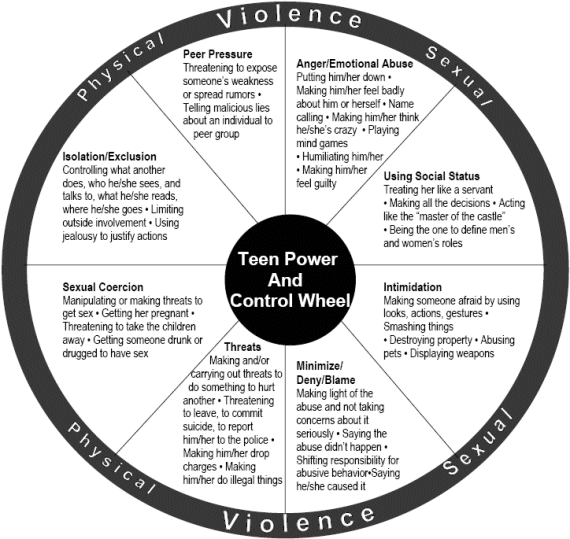
This is Michigan’s teen power and control wheel. It displays all of the information found in the quiz that are often telling signs of an unhealthy relationship. If the quiz didn’t provide all the information needed, please refer to the image for clarification. 5
 Support for Teens